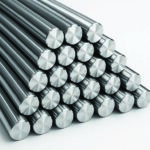
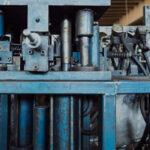
In the realm of modern manufacturing and industrial automation, precision, durability, and efficiency define the success of machinery. Among the many unsung heroes powering this evolution are M.S. Hard Chrome Shafts—an indispensable component found at the core of industrial motion systems. These highly engineered shafts not only facilitate seamless movement but also provide structural integrity and long-lasting performance across multiple applications.
What Are M.S. Hard Chrome Shafts?
M.S. (Mild Steel) Hard Chrome Shafts are cylindrical rods made from mild steel, coated with a layer of hard chrome through an electroplating process. This chrome plating adds remarkable surface hardness, corrosion resistance, and low friction properties. The combination of mild steel’s machinability and chrome’s resilience makes these shafts ideal for use in hydraulic and pneumatic cylinders, printing machines, robotics, linear motion systems, and more.
Key Features That Make Them Indispensable
1. Exceptional Surface Hardness
The hard chrome layer increases the surface hardness of the shaft up to 60–65 HRC (Rockwell Hardness Scale), significantly improving wear resistance. This is vital in applications that involve repeated motion or load-bearing activities.
2. Corrosion Resistance
Industrial environments can be highly corrosive due to exposure to chemicals, humidity, or extreme temperatures. The chrome layer serves as a protective barrier, enhancing corrosion resistance and minimizing maintenance costs.
3. Smooth Surface Finish
One of the standout features is the mirror-like surface finish, which reduces friction and wear during operation. This smooth finish is critical in applications like hydraulic systems, where seal wear can lead to performance degradation.
4. High Dimensional Accuracy
M.S. hard chrome shafts are manufactured to tight tolerances, ensuring perfect fit and alignment within mechanical assemblies. This minimizes vibration and boosts overall system performance.
5. Superior Load-Carrying Capacity
Due to the combination of the tough steel core and the hardened chrome surface, these shafts can handle significant radial and axial loads—making them ideal for high-performance machinery.
Applications in Industrial Motion Systems
• Hydraulic and Pneumatic Cylinders
Used as piston rods, these shafts undergo constant movement and pressure. Their wear resistance and low-friction properties ensure efficient and long-lasting performance.
• Linear Motion Guides
In CNC machinery and automation equipment, hard chrome shafts serve as guide rails for linear bearings, ensuring smooth, accurate motion essential for precise operations.
• Packaging and Printing Machines
These industries demand clean, smooth surfaces that avoid ink or particle buildup. M.S. hard chrome shafts meet these needs perfectly while enduring high operational speeds.
• Robotics and Material Handling
As robotics become increasingly prevalent in manufacturing, hard chrome shafts provide the reliable motion base needed for arms, grippers, and conveyors.
• Automotive and Aerospace Sectors
In high-load and high-precision environments, these shafts contribute to consistent mechanical performance and lower downtime.
Advantages Over Conventional Shafts
| Feature | M.S. Hard Chrome Shaft | Conventional Shaft |
|---|---|---|
| Surface Hardness | 60–65 HRC | 30–40 HRC |
| Friction Coefficient | Low | Moderate to High |
| Corrosion Resistance | High | Low |
| Wear Resistance | Excellent | Moderate |
| Lifespan | Long | Shorter |
| Maintenance | Low | High |
The above comparison clearly shows why M.S. hard chrome shafts are preferred in motion systems that demand precision, reliability, and longevity.
Customization Options Available
M.S. hard chrome shafts are highly customizable based on:
-
Length and Diameter (up to several meters)
-
Tolerance Grades (as per ISO and DIN standards)
-
Chrome Thickness (typically 20 to 30 microns)
-
Surface Roughness (Ra) requirements
-
Heat Treatment (for enhanced core strength)
-
Induction Hardening (for localized reinforcement)
These customization options ensure that the shafts meet unique requirements across industries.
Environmental and Economic Benefits
✅ Reduced Replacement Costs
Due to their enhanced durability, the frequency of replacements is reduced, saving both time and cost over the lifecycle of the machinery.
✅ Lower Downtime
Improved reliability minimizes equipment failure, resulting in fewer interruptions in production.
✅ Eco-Friendly Coating
Modern hard chrome plating processes comply with REACH and RoHS directives, contributing to safer, more sustainable manufacturing.
Choosing the Right Manufacturer
When sourcing M.S. hard chrome shafts, it’s crucial to partner with a manufacturer that ensures:
-
Use of premium-grade mild steel
-
Precision grinding and polishing
-
Automated chrome plating for uniform coating
-
Quality checks at each production stage
-
Fast lead times and custom engineering support
Top suppliers also offer value-added services like induction hardening, journal machining, and end chamfering.
Conclusion: Why They’re the Backbone of Motion Systems
From manufacturing floors to high-tech robotics, M.S. Hard Chrome Shafts are pivotal in enabling accurate, smooth, and efficient motion. Their blend of strength, precision, and endurance not only increases operational efficiency but also enhances equipment longevity. As industries push for smarter, faster, and more reliable systems, these shafts will continue to play a foundational role—truly serving as the backbone of industrial motion systems.