Electro Plating
Construction equipment manufacturers are the driving force behind modern infrastructure development. These companies design, produce, and supply a wide range of heavy-duty machinery used in construction, mining, road building, and infrastructure projects. Their products—including excavators, bulldozers, cranes, loaders, backhoes, and compactors—form the backbone of global development initiatives.
- Home
- Industries we serve
- Electro Plating
Let’s Start Work
Together
Please feel free to contact us. We will get back to you with 1-2 business days. Or just call us now.
How can we help?
Electroplating is a widely used surface treatment process that deposits a thin layer of metal onto the surface of a component using electric current. This versatile technique enhances the physical, mechanical, and aesthetic properties of various parts across industries such as electronics, automotive, aerospace, jewelry, consumer goods, and precision manufacturing.
Whether it’s to increase corrosion resistance, improve electrical conductivity, provide a decorative finish, or reduce friction—electroplating ensures your products meet strict performance, reliability, and appearance standards.
Industry Significance
Electroplating plays a crucial role in enhancing the value, function, and longevity of components. It is a core process in high-performance applications, such as improving solderability in electronic circuits, protecting fasteners from rust, or giving medical devices a biocompatible finish.
From gold-plated connectors and silver-coated contacts to nickel-plated machine parts and chrome-plated trims—this process is essential for ensuring components meet stringent environmental, mechanical, and safety demands. As industries increasingly demand lightweight, multifunctional, and cost-effective solutions, electroplating remains an essential value-adding technology.
Process & Applications
Electroplating is a multi-step procedure designed to deliver consistent and precise results.
Surface Preparation – Cleaning, degreasing, and etching to remove impurities and activate the surface.
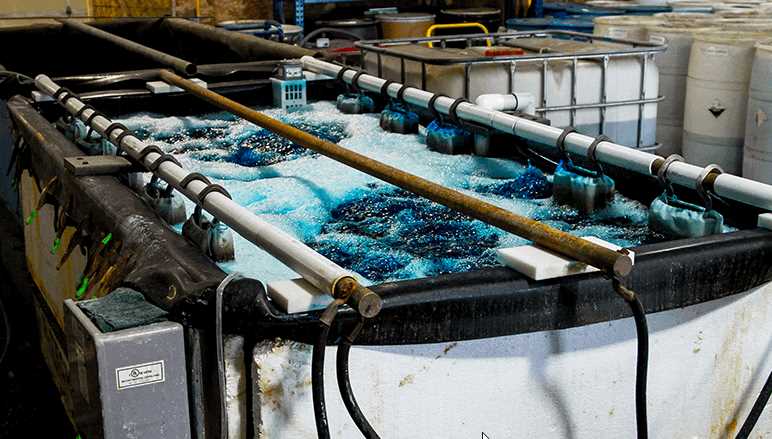
Plating Process – Immersing the part (cathode) and the plating metal (anode or electrolyte source) in a metal ion-rich bath. A DC current causes metal ions to migrate and deposit onto the part’s surface.
Post-Treatment – Rinsing, drying, and sometimes heat treatment or polishing to meet final requirements.
Common Applications Include:
Printed circuit boards (PCB traces, connectors)
Automotive trim and fasteners
Consumer electronics and appliances
Jewelry and decorative items
Medical implants and surgical instruments
Aerospace hardware and fasteners
Precision mechanical parts
These electroplated surfaces offer corrosion protection, wear resistance, electrical conductivity, reflectivity, and enhanced appearance.
Technology & Innovation
Modern electroplating continues to evolve, integrating automation, process control, and sustainable chemistry. Advanced innovations include:
Pulse Plating & Barrel Plating – For better deposit control and plating of bulk small parts
Multilayer & Alloy Coatings – Such as nickel-cobalt or tin-silver for specialized properties
Selective & Masked Plating – For plating only specific surfaces, reducing waste and cost
Nanocoatings & Composite Plating – Blending metals with ceramic or polymer particles to increase hardness and reduce friction
These developments allow manufacturers to produce thinner, stronger, and more functional coatings while optimizing for productivity and precision.
Sustainability & Compliance
Environmental and occupational safety concerns—especially around heavy metals and cyanides—have prompted cleaner, greener electroplating innovations:
Use of trivalent chromium instead of toxic hexavalent chrome
Closed-loop rinsing and fume extraction systems
Zero-discharge water recycling and metal recovery processes
REACH, RoHS, and OSHA-compliant formulations and operations
These measures ensure safer working environments, reduced ecological footprints, and better alignment with global sustainability goals.
Challenges & Opportunities
Despite its versatility, electroplating faces challenges such as chemical waste management, regulatory pressures, and the need for skilled operators. But the future offers strong growth opportunities:
Rising demand from electric vehicles, renewable energy, and 5G electronics
Expansion of automated microplating for semiconductor and medical device industries
Growing need for recycling and re-plating services to extend part life
Custom finishes and specialty coatings for luxury, aerospace, and defense applications
As industries evolve, electroplating remains a foundational technology that enables performance, efficiency, and sustainability across critical sectors.